Even media outlets deeply skeptical of Trump are starting to concede that this war may be entering its final, chaotic phase.
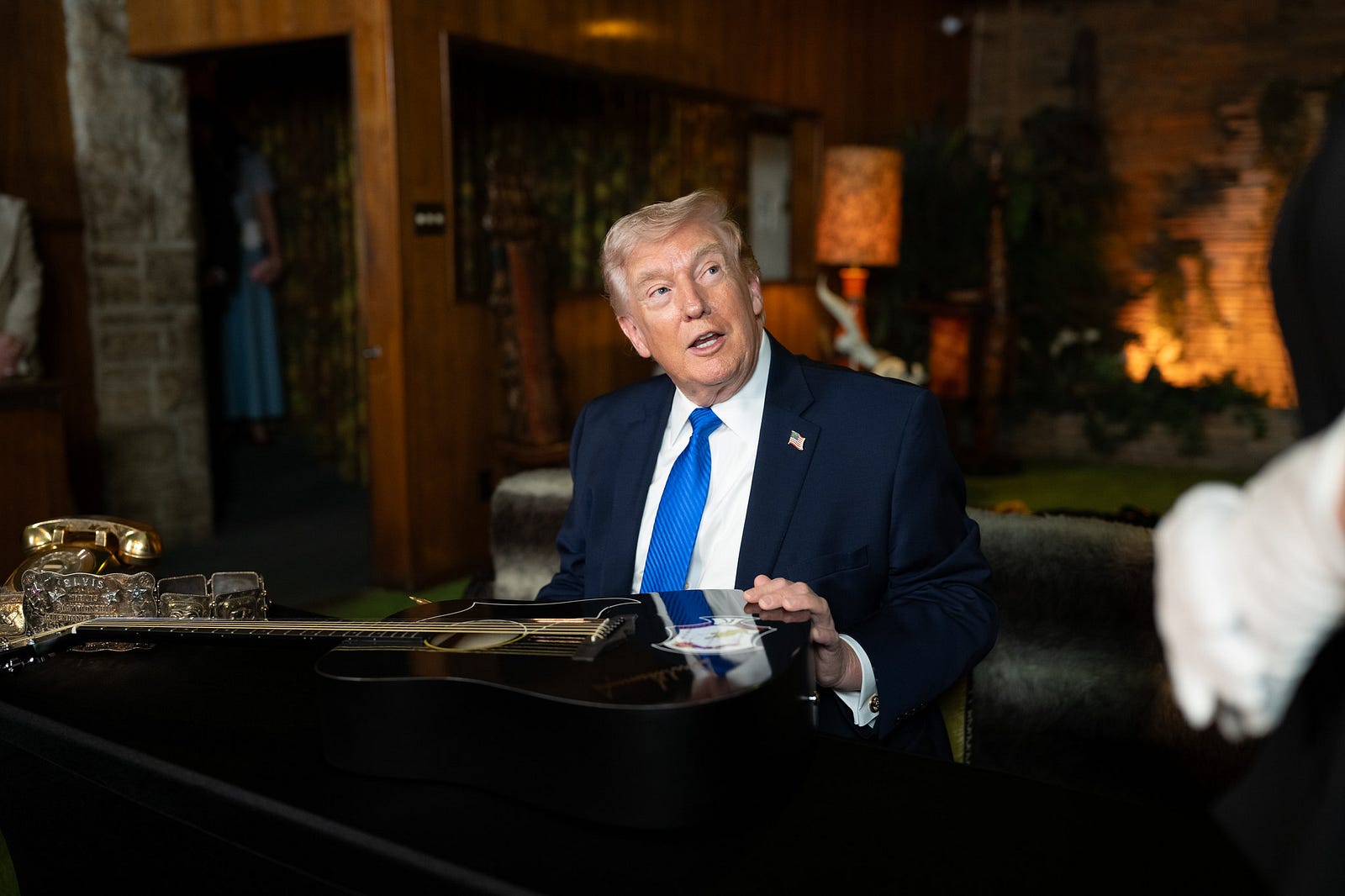
Last night, President Donald Trump addressed the nation.
Speaking at length about the Iran conflict, the president said, “These core strategic objectives are nearing completion.”
Could he be right?
From the progressive standpoint, it is an unfashionable question, because almost every major media institution in America covers Donald Trump through a lens of distrust, hostility, or outright contempt.
That does not mean every reported fact is false, of course; the strategy wouldn’t work at all if that was the case. It does mean the framing around those facts often leans in one direction: toward quagmire, humiliation, backlash, and the impending political collapse of Donald Trump.
We have seen that movie before. In fact, we have been watching versions of it for nearly ten years.
So let’s strip away the tone and look at the underlying reality: Even some of the same outlets that are rarely sympathetic to Trump are now reporting facts that point toward an endgame, not an endless war.
Vox asked today whether this is “the beginning of the end” of the Iran war. Reuters described Trump’s statement that the conflict could end in “two to three weeks” as his clearest signal yet that he wants to bring the campaign to a close.
If even skeptical coverage is conceding that the administration is talking and acting like it is entering the final phase, that is not nothing.
The mistake is to assume that if the war is truly winding down, it must start looking calm, orderly, and neatly resolved. Wars do not usually end that way. They often end in confusion, threats, revenge attacks, infrastructure strikes, economic disruption, and frantic positioning for whatever comes next.
In other words, they often look most chaotic right before the main military phase burns out. So the fact that Iran is still lashing out, the Strait of Hormuz is still a mess, and energy markets are still rattled does not prove Trump is wrong. It may mean we are watching the ugly closing act, not the peaceful aftermath.
This is where media framing matters. If Trump says the operation is nearing completion, many outlets instinctively hear “Mission Accomplished” and reach for Iraq analogies. If he threatens another two or three weeks of brutal strikes, they hear contradiction and strategic confusion. But those two things can coexist.
A war can be nearing its conclusion and still have one last savage phase. That is often how wars end: one side senses the other is reeling and tries to force a settlement from maximum leverage before the window closes. That is plainly how Trump sees this. He believes Iran’s conventional military capacity has been badly shattered, its leadership structure has been effective deposed, and the United States now has a narrowing chance to impose terms.
Unfortunately, none of this means peace is around the corner. It means the high-intensity U.S.-led phase may be approaching culmination. Those are not the same thing. Iran can still make the ending ugly. It can keep shipping lanes under pressure. It can keep its proxies active. It can keep testing the nerves of Gulf states and the patience of energy markets.
The AP reported today that Iran was still firing on Israel and Gulf neighbors even as Trump claimed the threat from Tehran had been nearly eliminated. That does not disprove his broader case. It shows that a wounded regime can still inflict pain on the way down.
The more interesting question is whether much of the early “quagmire” talk was less analysis than wishful thinking. There has been a strong appetite in elite media circles for a Trump foreign-policy disaster dramatic enough to define his presidency, fracture the GOP, and hand Democrats a generational issue. That appetite can distort judgment. It can lead analysts to confuse “this is dangerous” with “this will fail,” and “this is messy” with “this is unwinnable.” Those are not the same thing.
What the current evidence suggests is something more complicated, and, for Trump’s critics, more uncomfortable. The Iran operation may not be collapsing into a forever-war at all. It may instead be entering the violent, unstable, coercive endgame that Trump himself described. Not a clean ending. Not an orderly ending. But an ending nonetheless.
That is why the most telling development today was not the panic in the commentary. It was the convergence in the facts. Trump says the objectives are nearing completion. Reuters says this is his clearest sign of a near-term finish. Vox, of all places, asks whether this is the beginning of the end. When even hostile or skeptical coverage starts circling that possibility, it is time to take it seriously.
Could Trump be right? Yes. And if he is, then one of the most repeated assumptions in the coverage — that Iran would become the quagmire that finally swallowed him — may turn out to have been less hardheaded realism than political playacting.
(Contributing writer, Brooke Bell)